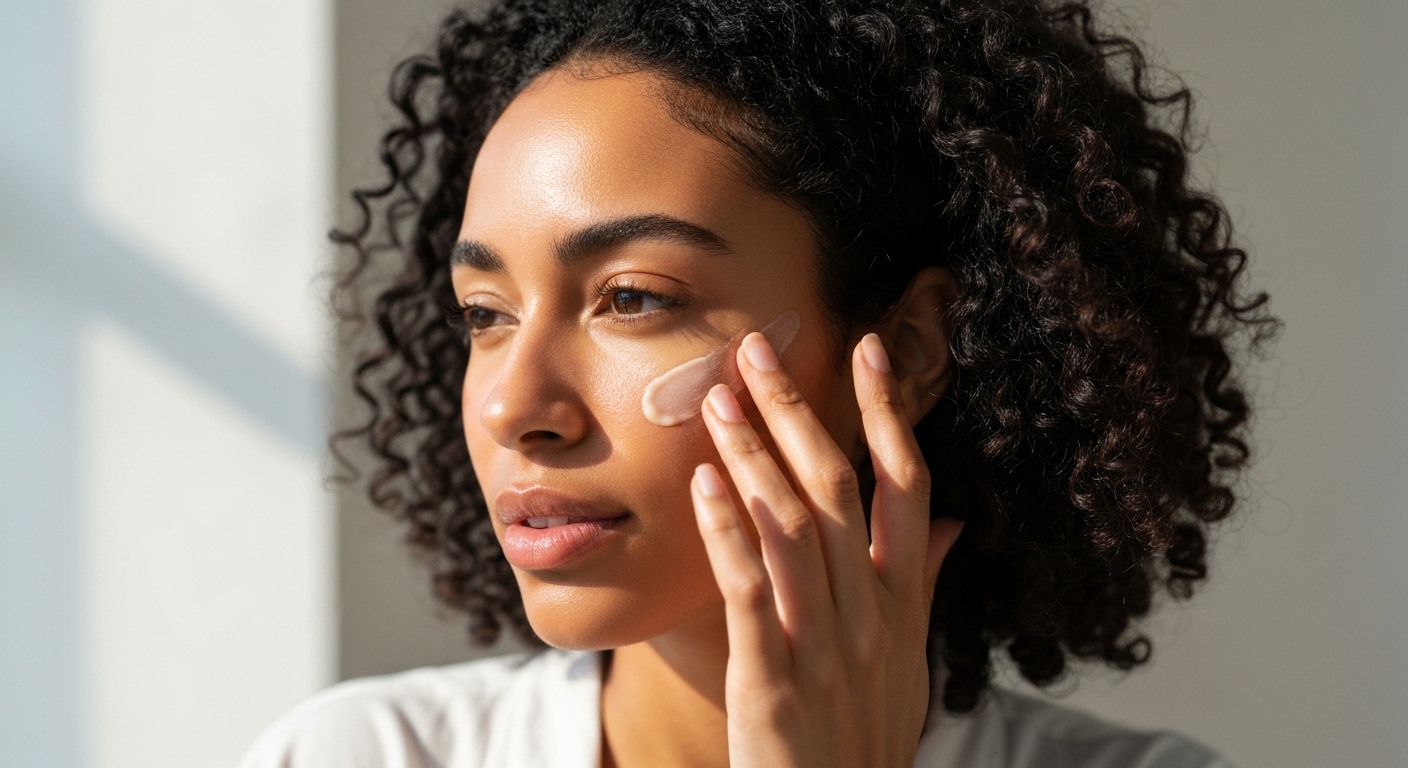
Beauty as Wellness Trends 2026: How They Transform Your Health
The line between the beauty counter and the wellness aisle has officially dissolved. For years, we’ve treated our skincare routines and our health regimens as separate pursuits. One was for appearance, the other for well-being. But that division is rapidly becoming a relic of the past. The definitive beauty as wellness trends 2026 are not just about looking good; they are about using personal care as a powerful tool for enhancing your holistic health. This isn’t just a marketing shift—it’s a fundamental change in how we approach self-care.
This article will guide you through this exciting new landscape. We’ll explore the core philosophy behind the “beauty as wellness” movement, dive into the top trends set to redefine your routine, and unpack the science that makes it all work. From your gut health to your stress levels, get ready to discover how your personal care rituals are becoming a pivotal part of your overall health strategy.
Defining ‘Beauty as Wellness’: A New Philosophy for Health
Beauty as wellness is a holistic approach that views personal care routines and products as integral components of one’s overall health and well-being. It moves beyond the purely aesthetic goal of looking better, reframing beauty rituals as opportunities to feel better, reduce stress, improve sleep, and support physiological functions.
At its core, this philosophy is about intentionality. It’s the difference between mindlessly slathering on a moisturizer and taking three mindful minutes to massage a calming, adaptogen-infused cream into your skin, consciously releasing facial tension and lowering cortisol levels. Where general wellness might suggest meditation, beauty as wellness integrates that meditative practice into the act of personal care itself.
This movement is the next evolution of a journey that started with “clean beauty,” which focused on non-toxic ingredients, and “self-care,” which championed taking time for oneself. Beauty as wellness merges these ideas, adding a crucial third layer: measurable, science-backed health outcomes. It posits that what we put on our bodies, and the rituals we build around it, can have as profound an impact on our health as what we eat or how we exercise.
Top Personal Care Trends Redefining Health in 2026
As this philosophy matures, it’s giving rise to a new generation of products and practices designed with both skin and system in mind. Here are the top trends transforming our cabinets and our health.
Neurocosmetics: Skincare for Your State of Mind
The Concept: Neurocosmetics are topical products formulated with ingredients that are believed to interact with the skin’s nervous system to produce a calming, soothing, or even mood-boosting effect. The skin and brain are intrinsically linked (they develop from the same embryonic tissue), and this trend leverages that connection.
Key Products: You’ll see this in face mists with magnesium, serums with neuropeptides that soothe irritation, and body lotions with ingredients that trigger the release of beta-endorphins, the body’s natural “feel-good” molecules. The focus is also on sensory experience—textures that are uniquely satisfying and scents designed to trigger a specific neurological response.
The Wellness Benefit: The primary goal is stress reduction. By calming the skin’s nerve endings, these products can help reduce signals of irritation and discomfort sent to the brain. This creates a biofeedback loop that helps lower perceived stress and promote a sense of overall tranquility.
The Gut-Skin-Mind Axis: Ingestible Beauty Goes Mainstream
The Concept: The idea that gut health impacts skin is not new, but by 2026, we’re looking at a fully integrated Gut-Skin-Mind Axis. This trend recognizes that digestive health, skin condition, and mental state are in constant communication. An imbalanced gut microbiome can lead to skin inflammation (like acne and eczema) and can also affect mood.
Key Products: This goes far beyond a simple collagen powder. Look for advanced “nutricosmetics” in the form of targeted probiotics for specific skin concerns (like Lactobacillus paracasei for skin barrier function), pre- and postbiotic skincare to nourish the skin’s own microbiome, and supplements containing psychobiotics—probiotics that have a demonstrated impact on mental health.
The Wellness Benefit: This is true inside-out wellness. By supporting a healthy gut, you’re not just aiming for clearer skin; you’re also potentially improving your mood, strengthening your immune system, and reducing systemic inflammation. It’s a holistic approach that tackles root causes rather than just symptoms.
Circadian Skincare: Syncing Your Routine with Your Body Clock
The Concept: Our bodies run on an internal 24-hour cycle called the circadian rhythm, which governs everything from sleep to hormone production. Circadian skincare involves using specific products at specific times of day to support the skin’s natural rhythmic functions—protection during the day and repair at night.
Key Products: Morning routines will feature products packed with antioxidants, SPF, and anti-pollution ingredients to shield the skin from daily aggressors. Evening products will be rich in ingredients that support cellular repair and regeneration, such as retinol, peptides, and DNA repair enzymes. We’ll also see “chronotherapy” patches and masks designed to deliver active ingredients during the peak of the skin’s nighttime repair cycle.
The Wellness Benefit: By working with the body’s natural rhythms instead of against them, this approach enhances product efficacy and supports overall systemic health. The biggest benefit is improved sleep quality. Using calming, repair-focused products at night acts as a sensory cue to the brain that it’s time to wind down, reinforcing a healthy sleep-wake cycle.
The Science of Transformation: How These Trends Impact Well-being
While these trends may sound futuristic, they are grounded in emerging scientific understanding of the body’s interconnected systems. This isn’t just marketing fluff; it’s applied biology.
The Cortisol Connection: A central pillar of the beauty as wellness movement is its ability to help manage cortisol, the body’s primary stress hormone. Chronic stress leads to elevated cortisol, which can accelerate aging, trigger inflammation, and disrupt sleep. Rituals like facial massage or applying a calming neurocosmetic can activate the parasympathetic nervous system, the body’s “rest and digest” state. This activation can help lower acute cortisol levels, providing a tangible physiological benefit from a simple beauty practice.
The Gut-Skin Axis Explained: The link between our digestive system and our skin is becoming increasingly clear. The gut microbiome influences the body’s inflammatory response, immune function, and even nutrient absorption. When the gut is imbalanced (a state known as dysbiosis), it can lead to a “leaky gut,” allowing inflammatory molecules to enter the bloodstream. These molecules can then travel to the skin, triggering conditions like acne, rosacea, and eczema. As research from the National Institutes of Health highlights, supporting the gut with probiotics and a healthy diet can therefore have a direct and visible impact on skin health.
Psychodermatology and Sensory Input: The field of psychodermatology studies the interaction between the mind and the skin. Scent is one of the most powerful tools in this domain. When you inhale an aroma, its molecules travel through the olfactory system directly to the limbic system, the brain’s emotional center. This is why the scent of lavender can feel instantly calming. Similarly, the sensation of touch—from the texture of a product to the pressure of a facial massage—stimulates mechanoreceptors in the skin, which can release oxytocin, a hormone associated with bonding and well-being. These trends leverage these hardwired neurological pathways to turn a routine into a therapeutic experience.
The Future is Personal: Tech’s Role in Beauty as Wellness
Technology is the great accelerator of the beauty as wellness movement, transforming it from a general philosophy into a precisely personalized health protocol. Forget one-size-fits-all solutions; the future is about data-driven care tailored to your unique biology.
AI-Powered Personalization: Imagine an app that analyzes a selfie to assess your skin’s hydration, inflammation, and fine lines. It then cross-references this data with information from your wearable device about your recent sleep quality, heart rate variability, and activity levels. Based on this holistic snapshot, it recommends a specific serum, a 5-minute facial massage technique to release tension in your jaw, and even a specific probiotic strain to add to your morning smoothie. This level of hyper-personalization is where AI is taking us, ensuring that every product and practice is maximally effective for your body, right now.
At-Home Diagnostics: The next wave of beauty tech includes devices that empower you to become the expert on your own skin. Handheld scanners will be able to measure your skin’s pH, moisture barrier health, and microbiome composition in real-time. This data allows you to track the efficacy of your routine, making immediate adjustments based on real feedback. It demystifies skincare, turning it from a guessing game into a science experiment where you are both the subject and the lead researcher.
Smart Devices: We’re moving beyond simple cleansing brushes. Future devices will integrate multiple modalities—like therapeutic light (LED), microcurrent, and sonic vibration—into a single, personalized treatment. Your device will sync with your app, downloading a custom routine designed to address your specific goals for the day, whether that’s de-puffing after a poor night’s sleep or calming inflammation before a stressful meeting.
Conscious Consumption: The Wellness Imperative of Ethical Beauty
The concept of wellness is expanding beyond our own bodies to include the health of the planet and our communities. For a growing number of consumers, a product cannot be truly “good for you” if it’s bad for the environment or created through unethical labor practices. This makes conscious consumption a non-negotiable part of the beauty as wellness equation.
This trend is about aligning your actions with your values, which in itself is a powerful contributor to mental well-being. Choosing a product with sustainably sourced ingredients, packaged in refillable glass, from a brand that pays its workers a living wage creates a sense of integrity and purpose. It alleviates the cognitive dissonance and “eco-anxiety” that can come from participating in consumer culture.
Brands are responding by prioritizing radical transparency. They are showcasing their supply chains, investing in regenerative farming practices that heal the soil, and innovating with waterless formulations and carbon-neutral operations. In 2026, the “wellness” claim on a label won’t just refer to the effect on your skin; it will be a promise of positive impact at every step of the product’s life cycle.
Conclusion: Integrating Beauty as Wellness into Your Life
The convergence of beauty and wellness is one of the most transformative shifts in modern personal care. It’s an invitation to rethink our daily rituals, not as chores to be rushed through, but as opportunities for genuine self-care and health management. The beauty as wellness trends 2026 show us a future where our moisturizer can help lower our stress, our supplement can clear our skin and our mind, and our choices can contribute to a healthier planet.
This evolution is ultimately about reclaiming beauty as an act of feeling good, not just looking good. It’s about being intentional, listening to your body, and using these powerful tools to build a more resilient, balanced, and vibrant life.
Start by choosing one small ritual—whether it’s a 5-minute facial massage to de-stress or adding a skin-focused probiotic—and observe its impact on your overall well-being. The journey starts with a single, intentional step.
Which of these beauty as wellness trends are you most excited to try?
Frequently Asked Questions
How is “beauty as wellness” defined in 2026?
In 2026, “beauty as wellness” is defined as a holistic philosophy where beauty practices are deeply integrated with overall health and well-being. It moves beyond superficial aesthetics to focus on products and routines that nourish physical, mental, and emotional health from within.
What are some of the top beauty as wellness trends expected in 2026?
Key beauty as wellness trends for 2026 include hyper-personalized skincare driven by AI, the rise of ingestible beauty supplements, neurocosmetics designed to impact mood, and a strong emphasis on sustainable and ethically sourced products. These trends prioritize internal health and environmental consciousness alongside external appearance.
How do beauty as wellness trends contribute to overall health and well-being?
These trends contribute by addressing underlying health concerns, promoting mental clarity through mindful routines, and utilizing scientifically-backed ingredients for both internal and external benefits. They shift the focus from quick fixes to sustainable improvements in physical, mental, and emotional health.
How is technology shaping the future of beauty as wellness?
Technology is pivotal in shaping the future of beauty as wellness by enabling hyper-personalization through AI-powered skin analysis, custom product formulations, and wearable devices that monitor health metrics. This allows for a more precise, data-driven, and effective approach to individual wellness needs.
Why is conscious consumption important in beauty as wellness trends?
Conscious consumption is a vital component of beauty as wellness because it aligns personal care practices with ethical and environmental values, fostering mental peace and a sense of responsibility. It encompasses sustainable sourcing, cruelty-free products, and transparent brand practices, contributing to a holistic sense of well-being.