Viral Nutrition Hacks 2026: What Actually Works (Scientist Review)
Scroll through any social media feed in 2026, and you’ll be bombarded with a dizzying array of nutrition “hacks.” From strange morning elixirs promising to reset your metabolism to rigid eating windows that claim to unlock superhuman energy, the advice is endless and often contradictory. For anyone trying to eat healthier, it’s overwhelming. How do you separate the science-backed strategies from the potentially harmful fads? This article will explore the viral nutrition hacks 2026 what actually works, providing a much-needed reality check. We’ll cut through the noise, analyze the science behind the biggest trends, and empower you with a toolkit for building sustainable, long-term health.
The Health Hype Cycle: Why Do Nutrition Trends Go Viral?
Before we debunk specific trends, it’s crucial to understand why they become so popular in the first place. The appeal of a quick fix is a powerful psychological driver. We’re all busy, and the promise of a simple “hack” that can solve a complex health issue is incredibly alluring.
Social media algorithms pour fuel on this fire. They are designed to promote content that gets a strong reaction, and extreme claims—like “eat this one food to melt belly fat”—generate far more clicks, comments, and shares than nuanced, sensible advice. Add influential personalities with chiseled abs and glowing skin, and you have a recipe for a viral sensation, regardless of its scientific validity.
So, how can you become a more discerning consumer of health information? Use this simple framework to critically evaluate the next “miracle” hack you see online:
- Who is the source? Is it a registered dietitian or a medical doctor, or is it an influencer selling a product? Look for credentials.
- What is the claim? Does it promise rapid, effortless results? Does it vilify entire food groups? If it sounds too good to be true, it almost certainly is.
- Where is the evidence? A single study, or worse, “I did it and it worked for me,” is not robust evidence. Look for advice grounded in a broad consensus of scientific research from reputable institutions.
2026’s Top Viral Nutrition Hacks: A Scientific Reality Check
Now, let’s put our critical thinking skills to the test. We’ve analyzed the three most pervasive viral nutrition hacks of 2026. For each one, we’ll describe the trend, examine the science, and deliver a clear verdict.
Hack #1: Chrono-Carb Cycling
The Hype: This trend dictates that you should only consume carbohydrates within a specific two-hour “metabolic window” immediately following sunrise. Proponents claim this perfectly aligns with your body’s circadian rhythm, tricking your metabolism into using carbs for immediate energy and preventing any from being stored as fat.
The Science: It’s true that our metabolism is influenced by circadian rhythms—the 24-hour cycles that regulate sleep, hormone release, and energy use. However, “Chrono-Carb Cycling” dramatically oversimplifies and misrepresents this complex science. Your body is perfectly capable of processing carbohydrates at various times of the day. While some research suggests that our bodies may be slightly more insulin-sensitive in the morning, the effect is not significant enough to justify such an extreme and restrictive eating pattern.
The most important factors for managing weight and blood sugar are your total daily calorie intake, the overall quality of your diet, and the type of carbohydrates you choose. Focusing on complex carbs like whole grains, vegetables, and legumes throughout the day provides a steady supply of energy and essential fiber. Forcing all your carbs into a tiny window is more likely to cause energy crashes, intense cravings, and nutrient deficiencies than it is to “hack” your metabolism.
The Verdict: Fad. While the concept of eating in sync with your body’s clock has some merit (e.g., avoiding very large meals right before bed), this specific hack is unnecessarily restrictive and not supported by strong scientific evidence.
Hack #2: The Algae Gel “Gut Sealant”
The Hype: Videos for this hack show users blending spirulina, chia seeds, and water into a thick, green gel. The instruction is to drink this concoction on an empty stomach every morning to create a “protective seal” along the gut lining. This “seal,” they claim, prevents toxins and undigested food particles from “leaking” into the bloodstream, thereby curing inflammation, bloating, and food sensitivities.
The Science: Let’s be clear: spirulina and chia seeds are incredibly nutritious. Spirulina is a great source of protein and antioxidants, while chia seeds are packed with fiber and omega-3 fatty acids. Both are excellent additions to a healthy diet. However, the idea that they form a physical “seal” in your gut is biological fantasy.
The term “leaky gut” (or increased intestinal permeability) is a real medical concept where the junctions in the gut lining loosen, but it’s a complex condition that can’t be fixed with a single drink. True gut health is built over time through a consistently healthy lifestyle. This includes eating a diverse range of high-fiber foods to nourish a healthy microbiome, managing stress, and getting adequate sleep. The soluble fiber in chia seeds does form a gel in liquid, which can help promote feelings of fullness and regulate digestion, but it doesn’t create an impenetrable barrier.
The Verdict: Misleading. The ingredients are healthy, but the mechanism is pure marketing fiction. You can get the same benefits—and more—from a varied diet rich in fruits, vegetables, and whole grains without subscribing to the “gut sealant” myth.
Hack #3: Enzyme-Activated Water
The Hype: This hack involves adding a scoop of expensive, proprietary powder to your water. The powder supposedly contains “enzyme activators” that “pre-digest” your food and boost nutrient absorption by up to 300%. The promise is that you’ll get more out of every meal, reduce bloating, and unlock a new level of energy.
The Science: A healthy human body is an incredibly efficient enzyme factory. Your pancreas and small intestine produce all the digestive enzymes needed to break down fats, proteins, and carbohydrates. Unless you have a specific medical condition like pancreatitis or exocrine pancreatic insufficiency (EPI), your body does not need help.
Furthermore, most enzymes are proteins, and when you consume them orally, they are typically denatured and destroyed by the highly acidic environment of the stomach long before they could have any effect in the small intestine where most nutrient absorption occurs. The claim of “pre-digesting” food in a glass of water is nonsensical, and the “300% increased absorption” figure is an unverified marketing claim with no basis in credible science.
The Verdict: Scam. This trend preys on a misunderstanding of basic human physiology. Your digestive system is robust and effective. Save your money and invest it in high-quality, nutrient-dense foods instead of magic powders.
What Actually Works: Timeless Principles That Outlast Trends
Now that we’ve debunked the fads, let’s focus on what truly moves the needle for your health. The most effective nutrition strategies aren’t viral or sexy—they’re consistent, evidence-based, and sustainable. Think of them as the “boring but effective” principles that will serve you well long after 2026’s trends have faded.
-
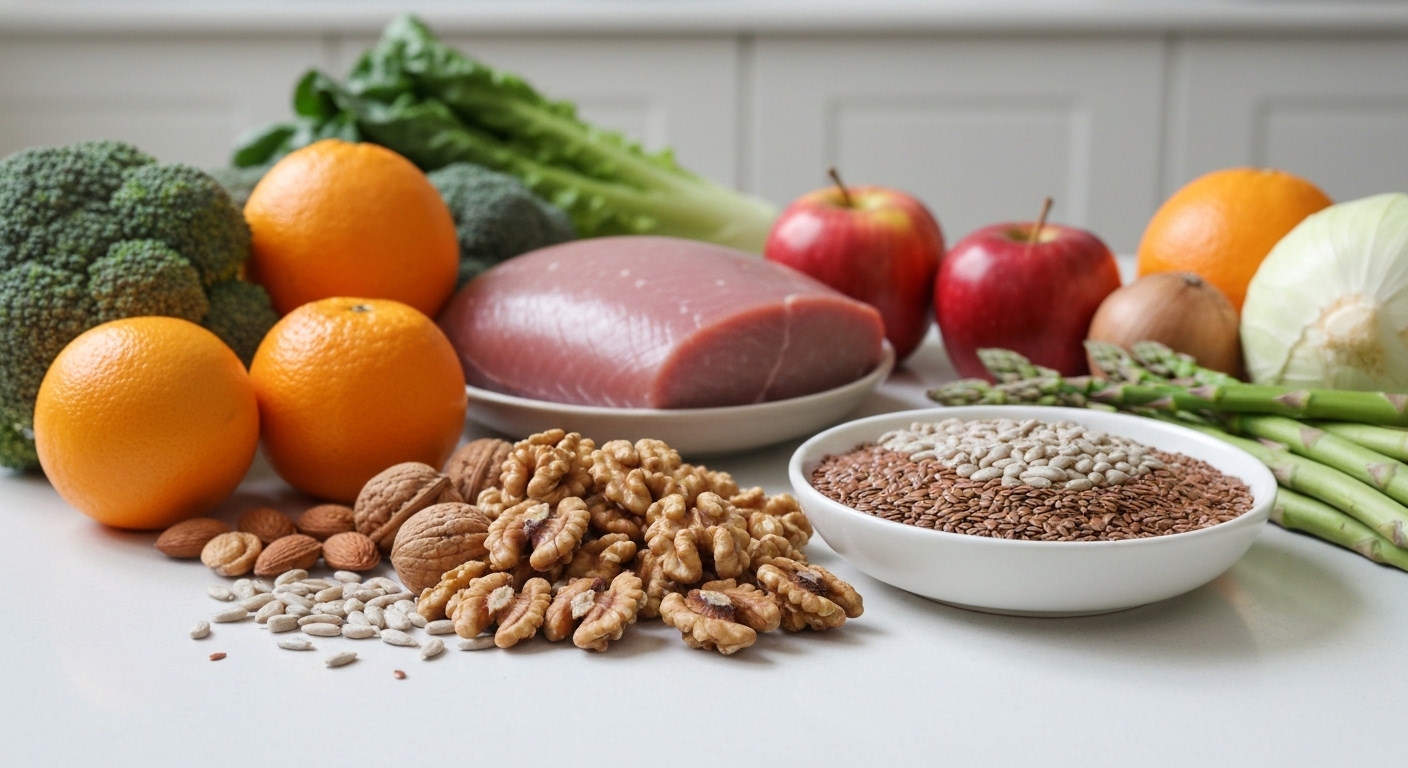
Prioritize Whole Foods: Build the foundation of your diet on things that don’t need an ingredient list. Focus on fruits, vegetables, lean proteins, whole grains, nuts, and seeds. These foods are packed with the fiber, vitamins, minerals, and phytonutrients your body needs to thrive. A good rule of thumb is to aim for a colorful plate, as different colors often signify different beneficial compounds.
-
Embrace Fiber: Fiber is arguably the most underrated nutrient. It’s crucial for digestive health, feeds your beneficial gut bacteria, helps regulate blood sugar, and promotes satiety, which can aid in weight management. According to the U.S. Food and Drug Administration, most adults should aim for about 28 grams per day, yet the majority of people fall short. Increase your intake by eating more plants.
-
Stay Hydrated (with Water): Your body is about 60% water, and nearly every system depends on it. Proper hydration is essential for energy levels, brain function, and digestion. While fancy “activated” waters are a waste of money, plain old water is the perfect beverage. Carry a water bottle with you and sip throughout the day.
-
Listen to Your Body: Instead of following a rigid set of external rules, learn to tune into your body’s internal hunger and fullness cues. Eat when you’re hungry, and stop when you’re comfortably full. This practice, often called intuitive eating, helps rebuild trust in your body and fosters a healthier, less stressful relationship with food.
-
Focus on Consistency, Not Perfection: A single “perfect” day of eating won’t transform your health, just as a single indulgent meal won’t ruin it. What matters most is what you do consistently over weeks, months, and years. Ditch the all-or-nothing mindset. If you have a slice of cake at a birthday party, enjoy it without guilt and get back to your usual routine with your next meal. Lasting health is about building habits, not achieving perfection.
Conclusion: Your Toolkit for Navigating Nutrition in 2026 and Beyond
The world of online nutrition advice can feel like a minefield. But by now, you should feel more confident in your ability to navigate it. The key takeaway is simple: the most powerful strategies for your health are not found in fleeting, viral trends but in consistent, evidence-based principles. The desire for a quick fix is understandable, but true wellness is a long-term journey, not a 30-day challenge.
You are now equipped with a framework for critically assessing health claims and a solid understanding of the foundational habits that actually work. Use this knowledge to build a nourishing lifestyle that feels good to you—one that is free from the stress and confusion of the latest hype cycle.
If you’re looking to make significant changes to your diet or have underlying health concerns, the best next step is always to consult a registered dietitian or your primary care physician. They can provide personalized advice tailored to your unique needs and help you build a plan that is both safe and effective for the long haul.
Frequently Asked Questions
How can I identify which 2026 nutrition hacks actually work?
To determine if a 2026 nutrition hack is legitimate, the article advises seeking scientific backing and expert consensus over mere social media popularity. It’s crucial to evaluate claims against established nutritional science and timeless dietary principles rather than anecdotal evidence.
Why do many viral nutrition hacks often prove ineffective or misleading?
Viral hacks frequently lack robust scientific evidence, relying instead on anecdotal claims or oversimplified nutritional concepts. They often promise quick fixes, diverting attention from sustainable, evidence-based practices that yield lasting health benefits.
What are the timeless nutrition principles that consistently deliver results, beyond fleeting trends?
The article emphasizes foundational principles like consuming whole, unprocessed foods, maintaining balanced macronutrient intake, and prioritizing nutrient density. These core tenets form the bedrock of sustainable health and well-being, outlasting any temporary fad.
What factors contribute to certain nutrition trends becoming ‘viral’?
Nutrition trends often go viral due to compelling personal testimonials, celebrity endorsements, promises of rapid results, or effective marketing strategies. The ‘Health Hype Cycle’ explains how novelty and social media amplification can quickly spread ideas, even without strong scientific merit.
What is the best strategy for evaluating new nutrition advice in 2026?
The article recommends adopting a critical approach, prioritizing information from reputable scientific sources and registered dietitians over social media influencers. Focus on understanding fundamental nutrition science and applying timeless principles to make informed dietary choices.