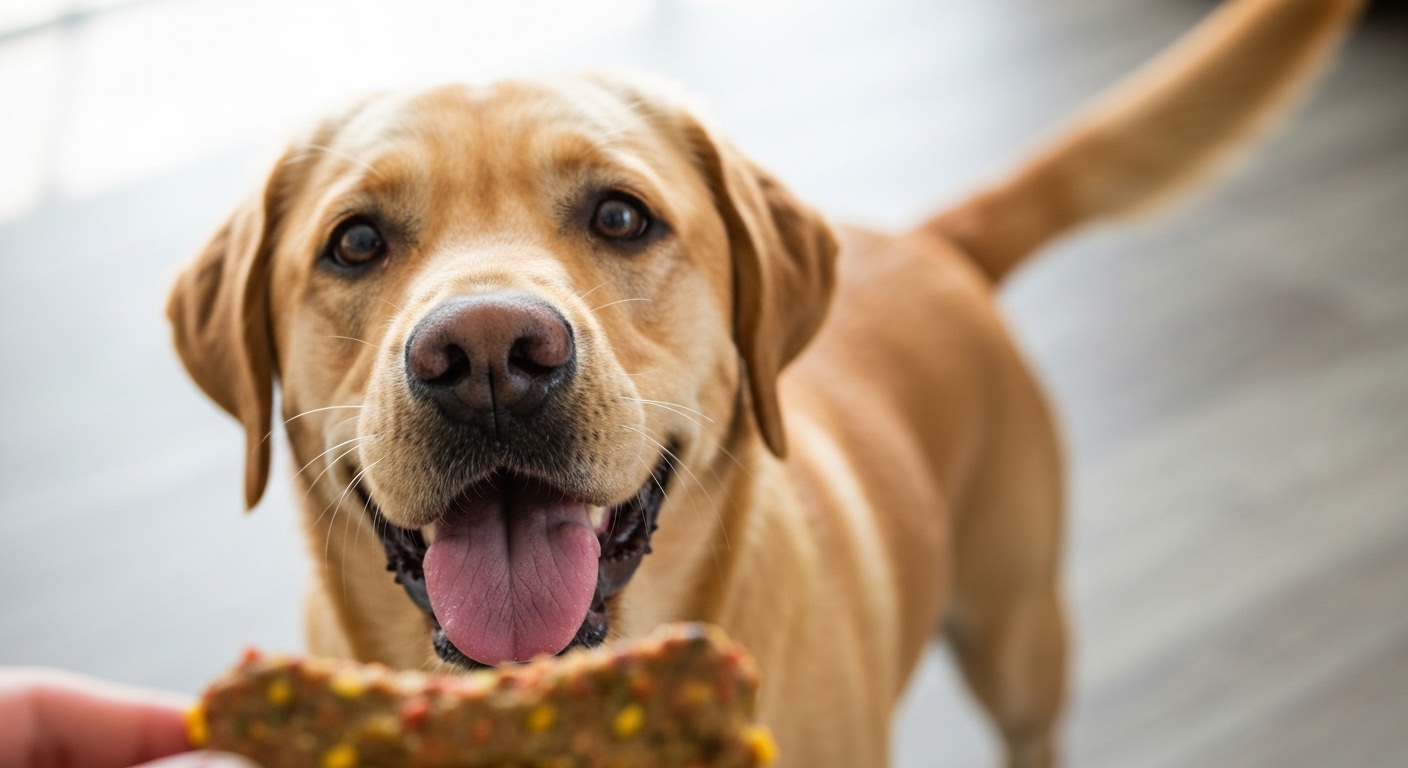
Tailored Vet-Backed Safe & Healthy Homemade Dog Treat Recipe
Watching your dog’s tail wag with unrestrained joy is one of life’s simple pleasures. As a devoted pet parent, you want to ensure every part of their life is filled with that same happiness and health, right down to the treats you offer. While the convenience of store-bought treats is undeniable, a peek at the ingredient list can often leave you with more questions than answers. This is where the simple act of baking becomes an act of love. This guide is your ultimate resource for crafting safe and healthy dog food treat recipes, moving beyond basic instructions to provide a vet-backed framework for your pet’s wellness.
We’ll explore the science behind safe ingredients, provide tailored recipes for different canine needs, and give you the confidence to turn your kitchen into your dog’s favorite bakery. Forget preservatives, artificial colors, and mystery fillers; it’s time to treat your best friend to something genuinely good for them.
Why Go Homemade? The Surprising Benefits for You and Your Pup
Choosing to make your own dog treats is about more than just avoiding a trip to the store. It’s a holistic choice that benefits your dog’s health, your wallet, and the bond you share.
1. Complete Ingredient Control: This is the number one reason pet owners make the switch. When you’re the chef, you control 100% of what goes into your dog’s treats. This is crucial for dogs with allergies, sensitive stomachs, or specific dietary restrictions. You can eliminate common allergens like wheat, soy, and corn, and ensure there are no artificial preservatives, colors, or sweeteners like the dangerously toxic xylitol.
2. Superior Freshness and Nutrition: Commercial treats are designed for a long shelf life, which often requires preservatives that offer no nutritional value. Homemade treats are made with fresh, whole-food ingredients whose nutrients are readily available. You can bake a small batch to ensure your pup is always getting the freshest, most flavorful reward.
3. Cost-Effective and Budget-Friendly: High-quality, single-ingredient commercial treats can be expensive. By using simple, wholesome ingredients from your own pantry—like oats, pumpkin, and sweet potato—you can create a large batch of treats for a fraction of the cost. As one popular recipe notes, a batch of homemade treats can cost less than $1 to make.
4. A Powerful Bonding Experience: The process of baking for your dog can be incredibly rewarding. The smells wafting from the oven will capture your pup’s attention, creating an atmosphere of happy anticipation. Using treats you made yourself during puppy training sessions adds an extra layer of positive reinforcement and strengthens the unique connection you have with your furry companion.
The Foundation of Safety: Your Canine Ingredient Database
Before you preheat the oven, this section is your most important stop. Not all “healthy” human foods are safe for dogs. Understanding what’s safe and what’s toxic is the cornerstone of making truly beneficial treats. The following lists are based on established veterinary nutritional science and guidelines from organizations like the ASPCA and AKC.
The “Always Safe” Pantry Staples
These ingredients are generally considered safe for most dogs in moderation and form the building blocks of many great treat recipes.
| Ingredient | Notes |
|---|---|
| Pumpkin Purée | 100% pure pumpkin, NOT pie filling. Excellent for digestive health. |
| Sweet Potato | Cooked and plain. A great source of fiber and vitamins. |
| Rolled Oats | Plain, uncooked or cooked. A good source of soluble fiber. |
| Peanut Butter | Unsalted and, most importantly, XYLITOL-FREE. Xylitol is extremely toxic. |
| Carrots | Raw or cooked. Low-calorie, high-fiber, and good for teeth. |
| Apples | Sliced, with core and seeds removed. Seeds contain traces of cyanide. |
| Blueberries | A fantastic source of antioxidants. |
| Plain Yogurt/Kefir | Unsweetened. A great source of probiotics. Use sparingly for lactose-sensitive dogs. |
| Lean Meats | Cooked and unseasoned chicken, turkey, or beef. |
| Eggs | Fully cooked. A great source of protein. |
| Flours | Whole wheat (if no allergy), oat flour, or chickpea flour are great choices. |
The “Strictly Avoid” Danger Zone
These ingredients are toxic to dogs and should never be included in your recipes or fed to your pet. This list is not exhaustive—when in doubt, always consult your vet.
| Toxic Ingredient | Why It’s Dangerous |
|---|---|
| Xylitol | An artificial sweetener found in some peanut butters, candy, and baked goods. Causes a rapid, life-threatening drop in blood sugar and liver failure. |
| Chocolate | Contains theobromine and caffeine, which are toxic to dogs’ nervous systems. Dark chocolate is the most dangerous. |
| Grapes & Raisins | Can cause sudden and irreversible kidney failure, even in small amounts. |
| Onions & Garlic | All forms (raw, cooked, powdered) can damage red blood cells, leading to anemia. Garlic is less toxic than onions but should still be avoided in treats. |
| Macadamia Nuts | Can cause weakness, vomiting, tremors, and hyperthermia. |
| Avocado | Contains persin, which can cause vomiting and diarrhea in dogs. The pit is also a choking hazard. |
| Alcohol | Can cause intoxication, coma, and death. Never leave alcoholic beverages or foods unattended. |
| Cooked Bones | Can splinter and cause choking or internal damage. |
Always double-check ingredient labels, especially on items like peanut butter and yogurt, to ensure they are free from xylitol and other harmful additives.
Safe and Healthy Homemade Dog Treat Recipes for Every Pup
Now for the fun part! Here are three vet-backed, tailored recipes designed for different canine needs. Remember to introduce any new food slowly and watch for any signs of digestive upset.
1. The Classic: Peanut Butter & Pumpkin Power Bites
Perfect for any dog, these treats are simple, beloved, and packed with digestive goodness. They are similar in spirit to the easy 3-ingredient recipes found across the web but with an extra boost of health.
- Best For: All-around health, digestive regularity.
- Ingredients:
- 1 cup 100% pure pumpkin purée
- 1/2 cup xylitol-free, unsalted peanut butter
- 2 large eggs
- 2 1/2 cups whole wheat flour (or oat flour for a gluten-free option)
- Instructions:
- Preheat your oven to 350°F (175°C). Line a baking sheet with parchment paper.
- In a large bowl, whisk together the pumpkin purée, peanut butter, and eggs until smooth.
- Gradually add the flour, mixing until a stiff dough forms. You may need to use your hands to bring it all together.
- Lightly flour a surface and roll the dough out to about 1/4-inch thickness.
- Use a cookie cutter to cut out shapes and place them on the prepared baking sheet.
- Bake for 20-25 minutes, or until the edges are golden brown and the treats are firm.
- Let cool completely on a wire rack.
- Nutritional Highlight: The combination of pumpkin and peanut butter provides a fantastic mix of fiber for digestion and healthy fats and protein for sustained energy.
2. The Sensitive Soul: Grain-Free Salmon & Sweet Potato Squares
These treats are ideal for dogs with grain sensitivities or itchy skin, thanks to the anti-inflammatory power of omega-3s.
- Best For: Dogs with allergies, skin and coat health.
- Ingredients:
- 1 cup cooked, mashed sweet potato
- 1 (5 oz) can of salmon, drained (in water, no salt added)
- 1/2 cup coconut flour (or almond flour)
- 1 egg
- 1 tbsp fresh parsley, chopped (for fresh breath!)
- Instructions:
- Preheat your oven to 350°F (175°C). Line a baking sheet with parchment paper.
- In a bowl, flake the salmon with a fork. Add the mashed sweet potato, egg, and parsley. Mix well.
- Stir in the coconut flour until a soft, slightly sticky dough forms. Coconut flour is very absorbent, so add it slowly.
- Press the dough evenly onto the parchment-lined sheet to about 1/4-inch thickness.
- Score the dough with a knife or pizza cutter into small, bite-sized squares.
- Bake for 25-30 minutes, until firm and dry to the touch.
- Turn off the oven and let the treats cool inside for an hour to get extra crunchy. Break apart the squares.
- Nutritional Highlight: Salmon is rich in omega-3 fatty acids, which are known to reduce inflammation and support a shiny, healthy coat. Sweet potato provides essential vitamins and fiber.
3. The Lean Machine: Apple & Carrot Low-Cal Crisps
Perfect for pups on a weight management plan, these low-calorie treats are crunchy, satisfying, and naturally sweet.
- Best For: Weight management, senior dogs, training rewards.
- Ingredients:
- 1 cup finely shredded carrots
- 1 cup unsweetened applesauce
- 2 cups rolled oats, ground into a flour in a blender
- 1 egg
- Instructions:
- Preheat your oven to 325°F (165°C). Line a baking sheet with parchment paper.
- In a large bowl, combine the shredded carrots, applesauce, and egg.
- Gradually add the ground oat flour, mixing until a workable dough forms.
- Roll the dough between two sheets of parchment paper to 1/8-inch thickness for a crispier treat.
- Remove the top parchment sheet. Use a pizza cutter to slice the dough into small, thin crackers.
- Bake for 20-25 minutes. For extra crunch, flip the treats halfway through.
- Let cool completely. They will continue to harden as they cool.
- Nutritional Highlight: Carrots and apples provide vitamins and fiber with very few calories, while the oats offer slow-release energy, making these treats filling without packing on the pounds.
The Science of Healthy: Understanding Your Ingredients’ Benefits
Going homemade means you can be intentional with every ingredient. Let’s look closer at the powerhouse components we used in our safe and healthy homemade dog treat recipes.
-
Pumpkin: This is more than just a seasonal flavor. Pure pumpkin purée is a superstar for digestive health. It’s rich in soluble fiber, which can help alleviate both diarrhea (by absorbing water) and constipation (by adding bulk). It’s also packed with Vitamin A, which is essential for vision and immune health.
-
Oats: A fantastic grain for dogs, especially compared to corn or wheat which can be common allergens. Rolled oats are a great source of soluble fiber, which helps regulate blood
Frequently Asked Questions
How easy is it to make safe and healthy homemade dog treats?
Making homemade dog treats can be surprisingly simple, with many recipes requiring minimal ingredients and basic kitchen skills. This article offers various straightforward recipes designed for ease of preparation while ensuring nutritional value for your pup.
What common human ingredients should I avoid when making dog treats?
It’s crucial to avoid ingredients toxic to dogs, such as chocolate, xylitol, grapes, raisins, onions, and garlic. The “Canine Ingredient Database” section of this article provides a comprehensive list of unsafe items to ensure your homemade treats are completely safe.
What are the main health benefits of making homemade dog treats?
Homemade treats allow you to control ingredients, avoiding artificial additives, excessive sugars, and unhealthy fillers often found in commercial options. This ensures your dog receives nutrient-rich snacks tailored to their specific dietary needs and sensitivities, promoting better health.
What’s the best way to store homemade dog treats to maintain freshness and safety?
Proper storage is essential to prevent spoilage and maintain freshness. Most homemade treats should be stored in an airtight container in the refrigerator for up to a week, or frozen for longer periods, typically up to 2-3 months, depending on the ingredients.
How can I tailor homemade treats to my dog’s specific dietary needs or allergies?
Tailoring treats involves understanding your dog’s individual dietary requirements and sensitivities. By consulting the article’s “Canine Ingredient Database” and focusing on ingredients known to be safe and beneficial for their specific health profile, you can customize treats perfectly.