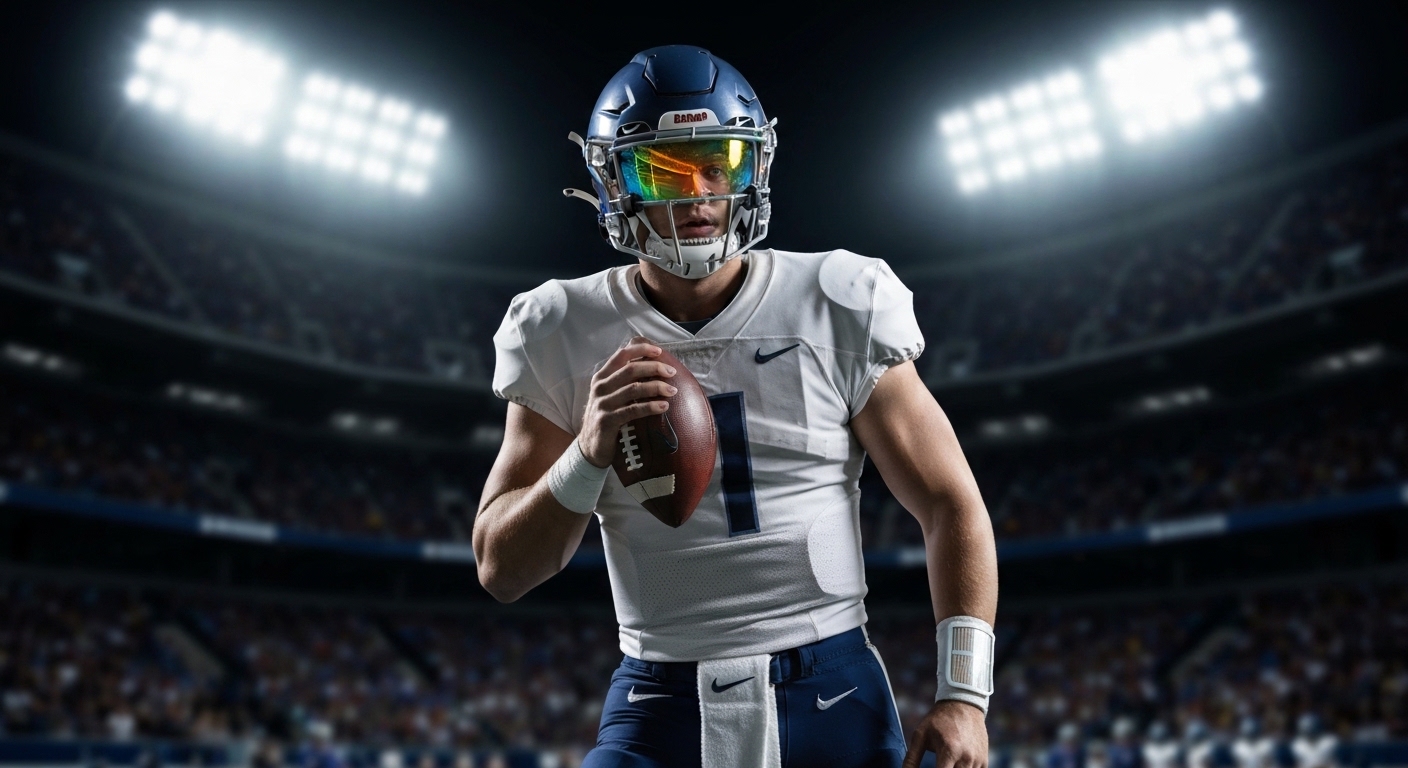
2026 American Football Social Media Trends: The Future Game
In 2026, the biggest plays in American football aren’t just happening on the field—they’re unfolding in real-time across millions of screens. The roar of the crowd is now matched by the roar of notifications, memes, and hot takes that define the modern fan experience. This article breaks down the definitive 2026 American football social media trends, exploring how platforms have reshaped the game’s culture, its business, and the very definition of fandom.
We’ll tackle the meteoric rise of player-driven media empires, dissect the platform-specific strategies winning the digital game, and explore the evolution of fan communities. Finally, we’ll look at the shifting power dynamic between social feeds and traditional broadcasts, charting a course for where the digital gridiron is headed next.
From the Locker Room to Your Feed: The Rise of Player-Generated Content
By 2026, players have become their own media powerhouses, using social platforms to build personal brands, connect directly with fans, and control their own narratives, moving far beyond team-controlled messaging. The era of athletes being filtered through official press releases and carefully managed interviews is over. The new playbook is built on authenticity, access, and direct engagement.
This fundamental shift is powered by a desire for genuine connection. Fans no longer just want to see the highlight-reel catch; they want to see the practice drills, the pre-game rituals, the post-game family celebrations, and even the off-season hobbies. Players, in turn, have recognized that their value extends beyond their on-field stats. A strong social media presence translates into lucrative endorsement deals, business ventures, and a loyal following that will support them long after they hang up their cleats.
We’re seeing quarterbacks host their own podcasts, linemen go viral with cooking tutorials on TikTok, and cornerbacks break down film on their YouTube channels. This player-generated content (PGC) dismantles the wall between athlete and fan, creating a more intimate and compelling sports culture. It allows players to showcase their personalities, advocate for causes they believe in, and correct public misconceptions in their own voice, effectively becoming the primary source for their own stories.
Where the Game is Won Online: Platform-Specific Football Strategies
Social media dominance in 2026 isn’t about being on every platform; it’s about mastering the unique formats and user behaviors of key networks like TikTok, Instagram, and X (formerly Twitter). A one-size-fits-all approach is a recipe for digital failure. Instead, savvy teams, leagues, and players deploy tailored strategies to maximize their impact on each platform.
Different platforms now serve distinct purposes in the football ecosystem, creating a multi-layered fan experience.
-
TikTok & Instagram Reels: These are the undisputed kings of short-form, high-energy content. Here, the goal is viral engagement. Teams share rapid-fire highlight montages set to trending audio, behind-the-scenes clips of sideline antics, and player-led dance challenges. The NFL has mastered this by turning incredible athletic feats into bite-sized, endlessly shareable moments that attract a younger, more global demographic.
-
X (formerly Twitter): This remains the real-time hub for the game-day conversation. It’s the digital water cooler for instant reactions, injury updates, and expert analysis from journalists and fans alike. Teams use X for live-tweeting games, posting official news, and engaging in witty banter with other teams. It’s the fastest way to get information and feel the pulse of the game as it happens.
-
Instagram (Main Feed & Stories): Instagram serves as the high-gloss digital magazine for the sport. The main feed is for polished, high-quality photography—epic game-day shots, cinematic player portraits, and partnership announcements. Stories, on the other hand, offer a more casual, ephemeral look behind the curtain. Think “day in the life” takeovers, interactive polls about uniform choices, and quick Q&As with players in the locker room.
-
YouTube: As the home of long-form video, YouTube allows for deeper storytelling. Teams and players use it for mini-documentaries, in-depth film-breakdown sessions, and extended interviews. It’s the platform for building a dedicated, highly engaged audience that wants more than just a 15-second clip.
More Than a Fan: Social Media’s Role in Modern Football Identity
Social media has transformed football fandom from a localized, stadium-centric experience into a global, 24/7 digital community where identity is forged through shared memes, debates, and rituals. Being a fan in 2026 is an active, participatory role. Your allegiance isn’t just shown by wearing a jersey; it’s expressed through your profile picture, the accounts you follow, and the online arguments you’re willing to have.
These digital communities have a profound cultural impact. The most clever meme after a tough loss can provide collective catharsis for millions of fans. A viral hashtag can rally support for a beloved player or even influence a team’s decision-making. Fantasy football leagues, which are intrinsically tied to social platforms for trash talk and trade negotiations, have created a new layer of fandom where individuals follow players with an almost obsessive, stat-driven focus.
This has also given rise to the “digital tailgate.” Before, during, and after games, fans congregate in online spaces—from X Spaces to Discord servers to Reddit threads—to share their excitement, frustrations, and predictions. This creates a sense of camaraderie that transcends geography, allowing a fan in Berlin to feel just as connected to the game as a season ticket holder in Green Bay. Fandom is no longer just about who you are on Sunday; it’s a core part of your digital identity every day of the week.
The Second Screen Showdown: Social Media’s Interplay with Broadcasts
During any game in 2026, a parallel conversation unfolds on social media that rivals the official broadcast for attention, commentary, and influence. The “second screen” is no longer a secondary distraction; it has become an essential, integrated part of the live viewing experience. Fans watch the game on their TV with their phone in hand, simultaneously consuming and contributing to a torrent of real-time content.
This dynamic has fundamentally changed the power structure of sports media. Broadcasters are no longer the sole arbiters of the game’s narrative. If a referee makes a questionable call, thousands of instant replays and expert opinions from amateur analysts will flood X before the network can even get to its own commercial break. A spectacular touchdown is instantly clipped, memed, and shared globally, often outpacing the official broadcast’s own highlight packages.
Networks and leagues have learned to embrace this reality rather than fight it. They now actively integrate social media into their broadcasts, featuring fan tweets on screen, running live polls, and directing viewers to their social channels for bonus content. Announcers will even reference viral moments or trending topics from social media during the game. This creates a symbiotic relationship where the broadcast fuels the social conversation, and the social conversation adds depth, context, and a sense of community to the broadcast.
The Future Outlook: What’s Next for Football’s Social Media Dominance?
The trends of 2026 have set a new baseline for fan engagement, but the digital playbook is constantly evolving. As technology advances and user behaviors shift, the intersection of football and social media will only become more integrated and personalized. Looking ahead, several key developments are poised to redefine the experience once again.
Here are a few trends that could shape the next era:
-
Deeper AI Personalization: Imagine a social feed that doesn’t just show you general NFL highlights, but automatically curates a highlight reel of every play involving your specific fantasy football players, complete with custom commentary and statistical overlays. AI will enable a hyper-personalized content experience tailored to individual fan interests.
-
The Metaverse & VR: While still in its infancy, the concept of more immersive social experiences is gaining traction. This could evolve into attending games in a virtual stadium with friends from around the world, participating in VR press conferences, or even “walking” through a digital Hall of Fame.
-
The Next Big Platform: History shows that the social media landscape is never static. While TikTok and Instagram dominate today, a new platform could emerge with a novel format that captures the sports world’s attention. The next big thing might focus on audio, augmented reality, or another technology we haven’t even considered.
-
Data & Betting Integration: As sports betting becomes more mainstream and legalized, expect a seamless integration between social conversation and betting platforms. You’ll be able to see real-time odds shift based on game events, participate in live prop-betting pools with friends, and see expert analysis tied directly to betting lines, all within your social feed.
Conclusion: The Game Has Changed, On and Off the Field
The evolution of American football in the digital age is undeniable. The power has shifted, giving players unprecedented control over their own narratives. Fan engagement is now driven by a constant stream of authentic, interactive, and short-form content. Most importantly, the very concept of fandom has been reforged in the fires of digital communities, creating a culture that is more vibrant, global, and influential than ever before.
In 2026, understanding American football requires understanding its social media ecosystem. The two are no longer separate; they are woven together, each one shaping and amplifying the other. The whistle doesn’t stop the conversation—it just moves it from the field to the feed.
The playbook is constantly evolving. What trend do you think will define the next era of football on social media? Share your thoughts below
Frequently Asked Questions
How will social media shape the NFL Draft narrative in 2026?
Social media will be crucial in shaping the NFL Draft narrative by amplifying prospect stories, driving fan discussions, and providing real-time reactions to picks and trades. It allows teams and players to control their messaging and engage directly with a global audience, influencing public perception before and during the event.
What is the significance of player-generated content in 2026 American football social media?
Player-generated content offers fans authentic, behind-the-scenes glimpses into athletes’ lives, fostering deeper connections and humanizing the game. This content is vital for building individual player brands and enhancing overall league engagement by providing unique perspectives directly from the locker room to the feed.
Why is American football expected to maintain its dominance in US social trends by 2026?
American football’s continued dominance in social trends stems from its passionate fanbase, event-driven nature, and the league’s strategic integration of social media into fan experiences. The sport’s ability to generate real-time discussion, shared moments, and platform-specific content keeps it at the forefront of online engagement.
How does social media enhance the live American football viewing experience in 2026?
Social media acts as a “second screen” during live games, providing fans with real-time commentary, instant replays, statistical insights, and opportunities to interact with other viewers. This dual-screen experience deepens engagement and creates a more immersive, communal event that extends beyond the broadcast.
Will the trend of Americans quitting social media impact fantasy football engagement in 2026?
While general social media usage may fluctuate, dedicated fantasy football platforms and communities are likely to maintain strong engagement due to their specific utility and competitive nature. The impact might be more about platform consolidation or niche community growth rather than a significant decline in fantasy football interaction.