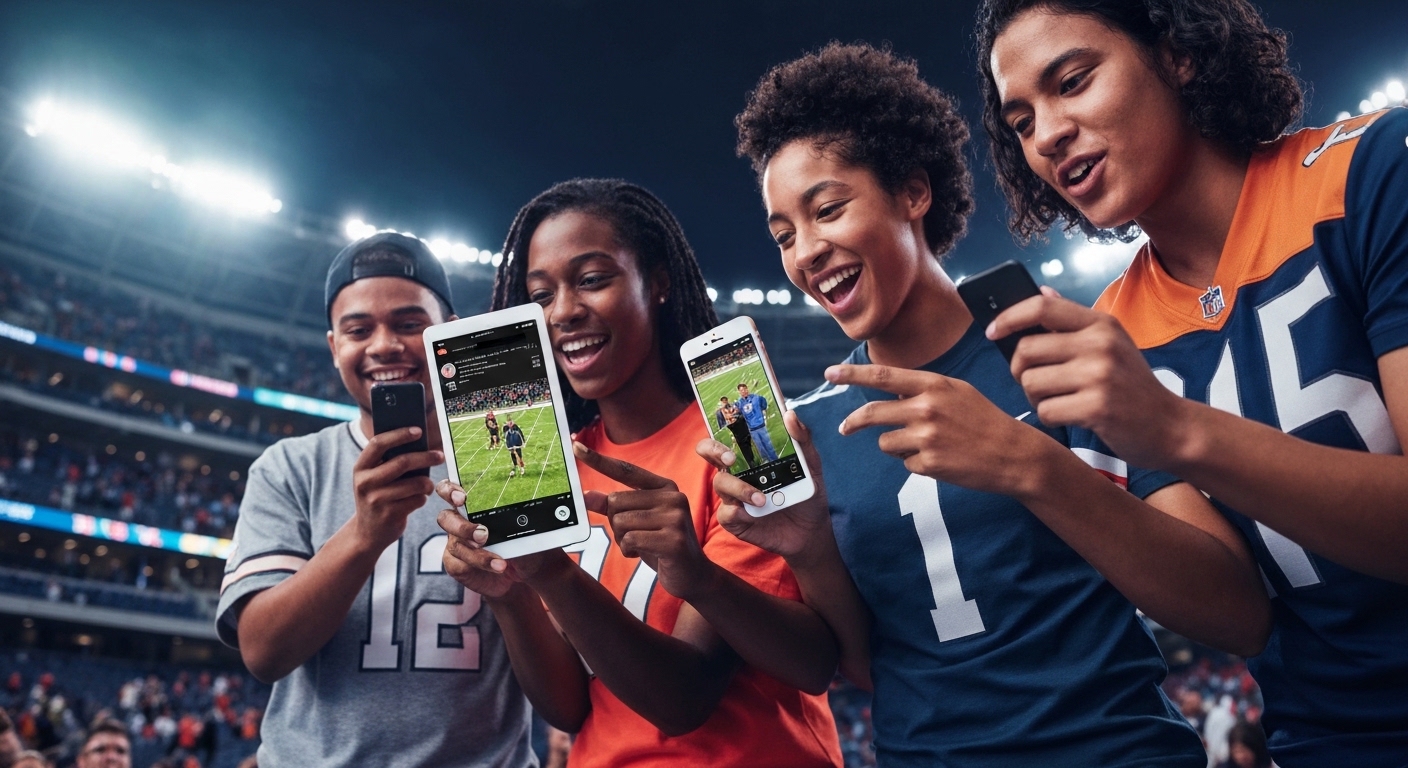
2026 NFL NBA Fan Engagement Trends: Streaming & Social Media
Introduction: The Sports Fan Experience Has Changed Forever
Remember the old days? Being a sports fan meant gathering around a single television, a passive observer to the drama unfolding on the field or court. You watched what the network showed you, listened to the commentary they provided, and maybe talked about it at the water cooler the next day. In 2026, that reality feels like a lifetime ago. The modern fan experience is a dynamic, multi-screen, interactive whirlwind, and it has permanently altered our relationship with the games we love.
This is the new landscape of professional sports. To understand it, we need to explore the definitive NFL NBA fan engagement trends 2026 streaming social media’s impact has created. We’re no longer just watching; we’re participating. This article will break down the seismic shifts in how we watch games, how we connect with our favorite athletes, how we form communities with fellow fans, and how the business of sports itself has been rewired to thrive in this new digital-first era.
The Streaming Takeover: How We Watch Live NFL & NBA Games Now
The era of appointment television, dictated by the rigid schedules of broadcast and cable networks, is over. The streaming revolution has not just provided an alternative way to watch; it has completely fragmented and personalized the act of live game consumption.
Live game consumption in 2026 is no longer a monolithic experience but a customizable menu of options catering to different fan preferences. Instead of a single broadcast feed, fans now navigate a complex but empowering ecosystem of choices. Think of it less like a set menu and more like an à la carte dining experience for sports.
This new reality includes:
- Platform Proliferation: The NFL and NBA have strategically partnered with a diverse array of platforms. Games are now spread across traditional networks, dedicated streaming services like Amazon Prime Video and Peacock, and the leagues’ own direct-to-consumer apps like NFL+. This forces fans to become savvy digital consumers, but it also provides unprecedented access.
- The Rise of Alternate Broadcasts: One of the most significant innovations is the “alt-cast.” Spearheaded by successes like ESPN’s “ManningCast” for Monday Night Football, these secondary feeds offer a completely different viewing experience. Fans can choose between traditional play-by-play analysis or a more conversational, entertaining format hosted by former players, comedians, or celebrities. This caters to both the hardcore strategist and the casual fan seeking entertainment.
- Customizable Viewing: Advanced streaming apps now empower fans to become their own broadcast directors. You can switch between multiple camera angles, from the sky-cam to the pylon-cam in the NFL or the player-perspective cam in the NBA. On-screen graphics are no longer static; fans can toggle advanced stats, player tracking data, and fantasy football updates directly onto their viewing screen, creating a personalized data overlay. This multi-screen viewing habit, once a niche for stat-heads, is now a mainstream feature.
The Athlete as Creator: Player-Driven Engagement on Social Platforms
The days when fans only heard from athletes through carefully filtered post-game interviews or articles written by sports journalists are long gone. In 2026, the most powerful voices in sports media are often the athletes themselves. They have seized control of their narratives, becoming media entities in their own right.
The ‘athlete-creator’ is a player who actively uses social media and digital platforms to build a personal brand and connect directly with fans, bypassing traditional media gatekeepers. This isn’t just about posting workout videos or vacation photos. It’s a sophisticated strategy for communication, brand-building, and community engagement. Players are now podcasters, YouTubers, and live-streamers, giving fans an unfiltered look into their lives, thoughts, and personalities.
This trend has profoundly impacted fan engagement in several key ways:
- Unprecedented Access and Authenticity: Platforms like Instagram, TikTok, X (formerly Twitter), and Twitch allow players to share their off-court personalities. This humanizes them, transforming them from on-field avatars into relatable people. When a player like the NBA’s Kevin Durant directly refutes a rumor on X or an NFL star like Travis Kelce co-hosts a chart-topping podcast, they are building a direct, authentic connection with millions of fans.
- Breaking Their Own News: Why wait for a reporter to break a story? Athletes are increasingly using their own channels to announce contract extensions, trade requests, or retirement plans. This shift in power puts the athlete in control of their own story, ensuring their message is delivered exactly as they intend. It creates a must-follow dynamic for fans who want information straight from the source.
- Building Niche Communities: Athlete-creators can cultivate communities around shared interests beyond their sport. Whether it’s gaming, fashion, or social advocacy, these platforms allow players to connect with fans on a more personal level. This deepens the fan-athlete bond beyond simple on-court performance, creating a more resilient and loyal following.
The Digital Stadium: Real-Time Fan Communities and Conversations
While athletes are building direct lines to fans, another revolution is happening in parallel: the way fans interact with each other. The communal experience of sports fandom—the shared cheers, groans, and debates—has migrated online, creating a vibrant, chaotic, and always-on “digital stadium.”
This digital stadium experience happens in real-time alongside the live game, often on a second or third screen. It’s the modern equivalent of the sports bar, but on a global scale. This fan-to-fan interaction is a critical component of modern engagement, transforming passive viewing into an active, social event.
Key arenas in this digital stadium include:
- Live Game Threads: Platforms like Reddit and X are the epicenters of real-time fan conversation. During any major NFL or NBA game, dedicated “game threads” on subreddits like r/nfl or r/nba explode with thousands of comments per minute. Fans share instant reactions, post memes, debate referee calls, and celebrate big plays together, creating a massive, collective experience.
- Discord and Niche Communities: For more dedicated fans, the conversation moves to private or semi-private spaces like Discord servers. Team-specific servers, fantasy football leagues, and fan-run communities offer a more intimate and focused environment for discussion. These spaces foster deeper connections and a stronger sense of belonging among like-minded supporters.
- The Rise of the “Reaction” Economy: A whole cottage industry has sprung up around reacting to sports. Fans, influencers, and content creators live-stream their reactions to games on platforms like YouTube and Twitch. This meta-layer of content allows fans to not only watch the game but also watch other people watch the game, sharing in their emotional journey and creating yet another layer of community engagement.
Following the Money: New Monetization Models in the Digital Era
This explosion of digital engagement isn’t just for fun; it’s big business. The NFL, NBA, their teams, and even individual players have become incredibly adept at converting this new form of fan attention into significant revenue streams. The business strategies of 2026 are built around meeting fans where they are: on their phones, tablets, and computers.
The core principle is simple: if you can capture a fan’s attention on a digital platform, you can monetize it. This has led to the development of sophisticated new business models that go far beyond traditional ticket sales and broadcast rights.
Here’s how the money follows the engagement:
- Direct-to-Consumer (DTC) Subscriptions: Leagues are no longer solely reliant on media partners. Services like NFL+ are a prime example of the DTC model. By offering exclusive content—live local and primetime games on mobile, out-of-market preseason games, and an on-demand library of content—the league creates a direct, recurring revenue relationship with its most dedicated fans. The NBA’s League Pass has been a long-standing pioneer in this space, offering fans the ability to purchase access to out-of-market games.
- Microtransactions and Digital Goods: The world of gaming has provided a powerful blueprint for monetization. Sports leagues and teams are increasingly experimenting with virtual goods and microtransactions. This can range from purchasing digital collectibles and NFTs to buying team-branded skins and emotes for use in social apps or metaverse environments. These small, individual purchases can add up to a massive new revenue stream.
- Integrated Sponsorships and Branded Content: The line between content and advertising has blurred. Sponsors are no longer just buying 30-second TV spots; they are partnering with leagues, teams, and athlete-creators to produce integrated branded content. This might look like a sponsored segment on a player’s podcast, a branded statistical overlay on a streaming service, or a “presented by” live-stream on social media. It’s a more organic and often more effective way to reach an engaged digital audience.
Conclusion: The Future of Fan Engagement Is Interactive and Personalized
The single biggest shift defining the NFL NBA fan engagement trends 2026 streaming social media landscape is the evolution from passive consumption to active, multi-platform participation. The fan is no longer just a spectator but a participant, a creator, and a crucial part of the sports ecosystem.
We’ve seen how streaming has shattered the old broadcast model, offering a personalized menu of viewing options. We’ve witnessed athletes seize their own narratives to become powerful media platforms, building direct and authentic connections with their followers. The communal joy of fandom has found a new, sprawling home in the “digital stadium” of social media, while leagues and teams have developed savvy business models to monetize this new world of digital attention.
Looking ahead, the pace of innovation will only accelerate. Imagine AI-driven broadcasts that automatically tailor commentary and camera angles to your specific interests, or augmented reality overlays that project player stats onto your coffee table as you watch the game. The future of fan engagement is not just interactive and personalized; it’s immersive. As technology continues to evolve, one thing is clear: the fan has never been more powerful, and the game has never been more exciting.
Frequently Asked Questions
How is streaming transforming how fans watch NFL and NBA games by 2026?
Streaming has become a dominant platform for consuming live NFL and NBA content, offering fans personalized viewing experiences and access to exclusive features. This shift allows for greater flexibility, multi-platform access, and interactive elements beyond traditional broadcast television.
What role do athletes play in driving fan engagement on social media platforms?
Athletes are increasingly acting as content creators, leveraging social media to connect directly with fans, share behind-the-scenes moments, and build personal brands. This player-driven engagement fosters deeper, more authentic connections and enhances the overall fan experience.
What is the ‘digital stadium’ and how does it foster fan communities?
The ‘digital stadium’ refers to online spaces where NFL and NBA fans gather in real-time during games to discuss, react, and share their experiences. These virtual communities, often on social media or dedicated platforms, enhance the collective viewing experience and create a sense of shared belonging.
How are new monetization models impacting NFL and NBA fan engagement in the digital era?
Digital platforms are enabling innovative monetization strategies beyond traditional tickets and merchandise, such as NFTs, personalized digital collectibles, and subscription tiers for exclusive content. These models offer fans new ways to invest in their fandom and access unique, premium experiences.
What defines the future of NFL and NBA fan engagement?
The future of NFL and NBA fan engagement is characterized by highly interactive and personalized experiences, driven by streaming, social media, and emerging technologies. Fans will expect more direct access, customizable content, and opportunities to participate actively rather than passively consume.